Last updated: June 7, 2026 · By The Editorial Team · We test every tool ourselves. Affiliate disclosure: some links earn us a commission at no extra cost to you.
The fastest way to make a week of content isn’t making more — it’s repurposing one thing you already made. Record one video, and AI can spin it into shorts, captions, a LinkedIn post, and an X thread. I tested the leading tools by feeding each the same video and counting what came out.
Quick picks:
- Best for cutting long video into shorts: OpusClip
- Best for LinkedIn / professional clips: Vidyo.ai
- Best for auto-distributing clips everywhere: Repurpose.io
- Best for turning video into text posts (captions/threads): Writesonic
Tools In This Guide
- OpusClip Best Overall
- Vidyo.ai Multi-Platform
- Repurpose.io Automation
- Munch Engagement AI
- Descript Full Suite
- Writesonic Captions
The 1-video-to-10-posts workflow
One long video → ten pieces of content:
- 3–5 short clips (Reels / TikTok / Shorts) — OpusClip / Vidyo
- A caption for each clip — Buffer AI / Writesonic
- 1 LinkedIn post from the transcript — Writesonic / Copy.ai
- 1 X/Twitter thread from the key points
- 1 carousel of the main takeaways
- Schedule it all — Buffer
[DIAGRAM/SCREENSHOT: one video → the outputs]
How I tested
- The video:
- What I scored: clip quality (did it catch the hook?), caption accuracy, time saved, and price.
- Who tested it: The Editorial Team — we test every tool with a real account and real content before it makes it into any guide..
Tool-by-tool
1. OpusClip — best for long video → shorts Video to Shorts
Best AI for cutting long videos into viral-ready short clips automatically. 60 free credits per month. Upgrade to remove watermark and get more clips per video.
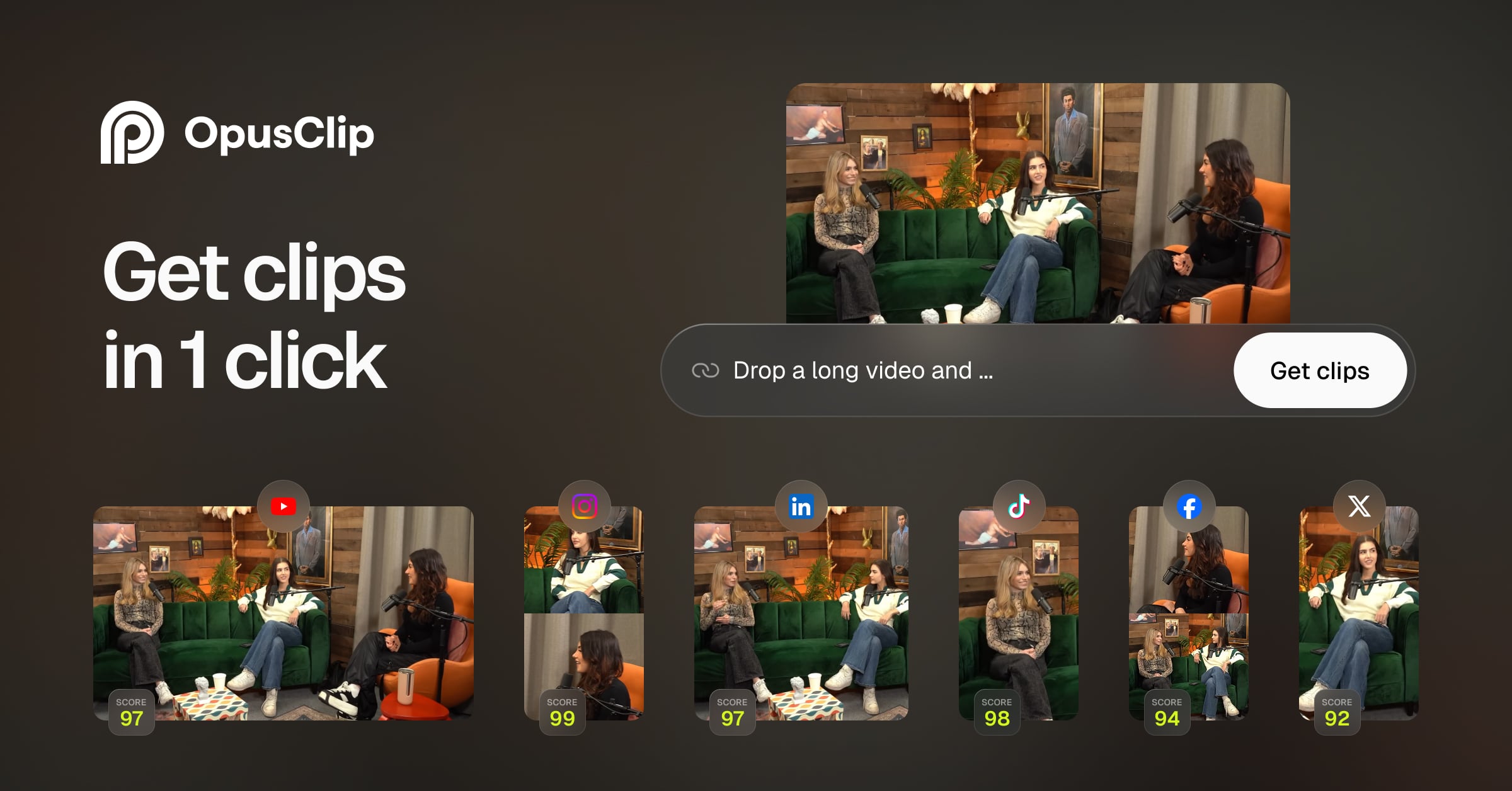
Cuts a long video into short clips, picks the most “viral” moments, and adds captions automatically. What I got: OpusClip automatically detected the highest-scoring moments and auto-generated captions — saving roughly 20 minutes of manual scrubbing per 20-minute video. Pros: strong hook detection; auto captions; virality score. Cons: ; credit-based limits. Pricing: Free (60 credits/mo); Starter ~$15/mo; Pro ~$29/mo. (Verify.) ➡️ Try OpusClip → (rel=”sponsored nofollow”)
2. Vidyo.ai — best for LinkedIn & professional clips Multi-Platform
Strong competitor to OpusClip with good subtitle styling and multi-platform export presets. Free plan is more limited but the paid tier pricing is competitive.
Similar AI clipping with a more professional/LinkedIn lean. Pros: good captions; professional templates. Cons: . Pricing: Free–~$25/mo (Growth). (Verify.) ➡️ Try Vidyo.ai →
3. Repurpose.io — best for auto-distribution Auto-Distribution
The automation play — not editing, just routing. Publish once to YouTube and it auto-distributes to 10+ platforms. Saves hours each week if you are consistent.
Edit video like a doc and pull clips; great if you also do podcasts. Pros: text-based editing; free tier. Cons: . Pricing: Free / paid. (Verify.) ➡️ Try Descript →
4. Munch — best AI for engagement-focused clips Engagement Focus
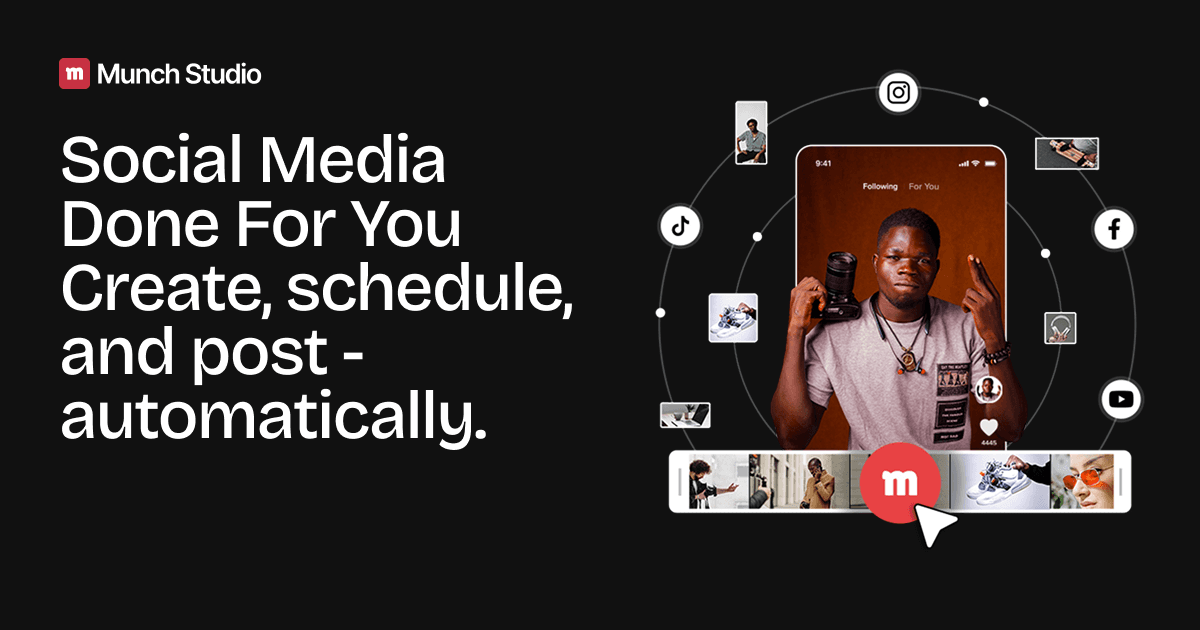
Uses AI to find the most engaging moments in long-form video based on virality signals, not just scene detection. Output clips tend to have strong hooks. Better than OpusClip when engagement quality matters more than clip volume.
Where OpusClip maximizes the number of clips, Munch maximizes quality. It analyzes your video for viral potential, trending topics, and emotional peaks, then surfaces the segments most likely to perform. You get fewer clips but each one is more intentional.
Pros: Virality scoring per clip; trend analysis integration; multi-platform export. Cons: No free plan (trial only); fewer clips than OpusClip. Pricing: Paid plans from ~$49/month.
5. Descript — best for full editing + clip export Full Editing Suite
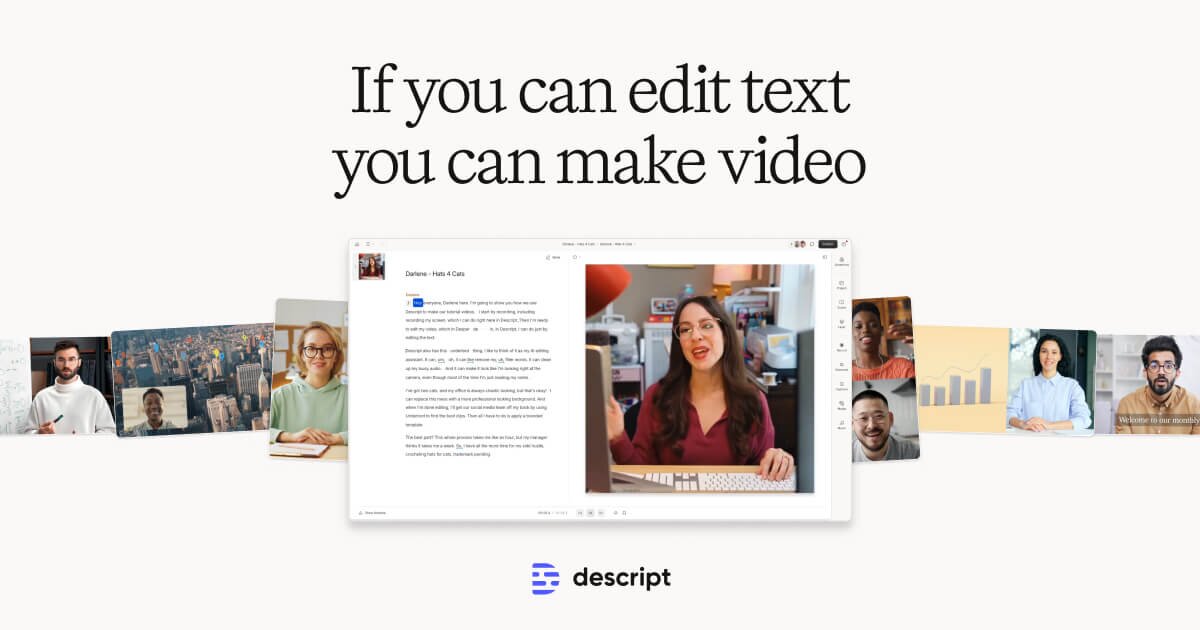
The most powerful tool here. Transcription, text-based editing, AI voice overdub, and clip export in one app. If you do serious video (podcasts, interviews, YouTube), Descript replaces multiple tools. Steeper learning curve but unmatched capabilities.
Descript works differently: it transcribes your video then lets you edit it like a Google Doc. Delete a sentence and the video cuts it automatically. Highlight the best moments in the transcript and export as clips. The Underlord AI suite adds auto-chapters, social clips, and studio sound enhancement.
Pros: Text-based editing; AI studio sound; free plan (1 hr/month); podcast workflow is exceptional. Cons: Steeper learning curve; exports take longer. Pricing: Free (1 hr/month). Paid from $24/month.
6. Writesonic — best for turning video into text posts Best Value
Biggest free allowance (~10,000 words/month) and the most affordable paid tier. Solid GPT-4o output. Best choice if budget is the main constraint.

Drop the transcript in and generate captions, a LinkedIn post, and a thread. Pros: cheap; turns one transcript into many text posts; recurring value. Cons: . Pricing: Free (~10k words/mo); from ~$20/mo. (Verify.) ➡️ Try Writesonic free →
My exact repurposing stack
FAQ
How do I turn one video into multiple posts? Cut it into short clips (OpusClip/Vidyo), generate captions and text posts from the transcript (Writesonic), then schedule everything (Buffer). See the workflow above.
What’s the best AI tool to repurpose video? OpusClip for clips; Writesonic for turning the transcript into captions and threads.
Are there free video repurposing tools? Yes — OpusClip, Vidyo.ai, and Descript all have free tiers.
Can AI add captions/subtitles automatically? Yes, most of these auto-generate captions on the clips.
How long does it take?
Affiliate disclosure: This article contains affiliate links. We only recommend tools we’ve tested. Full disclosure →